





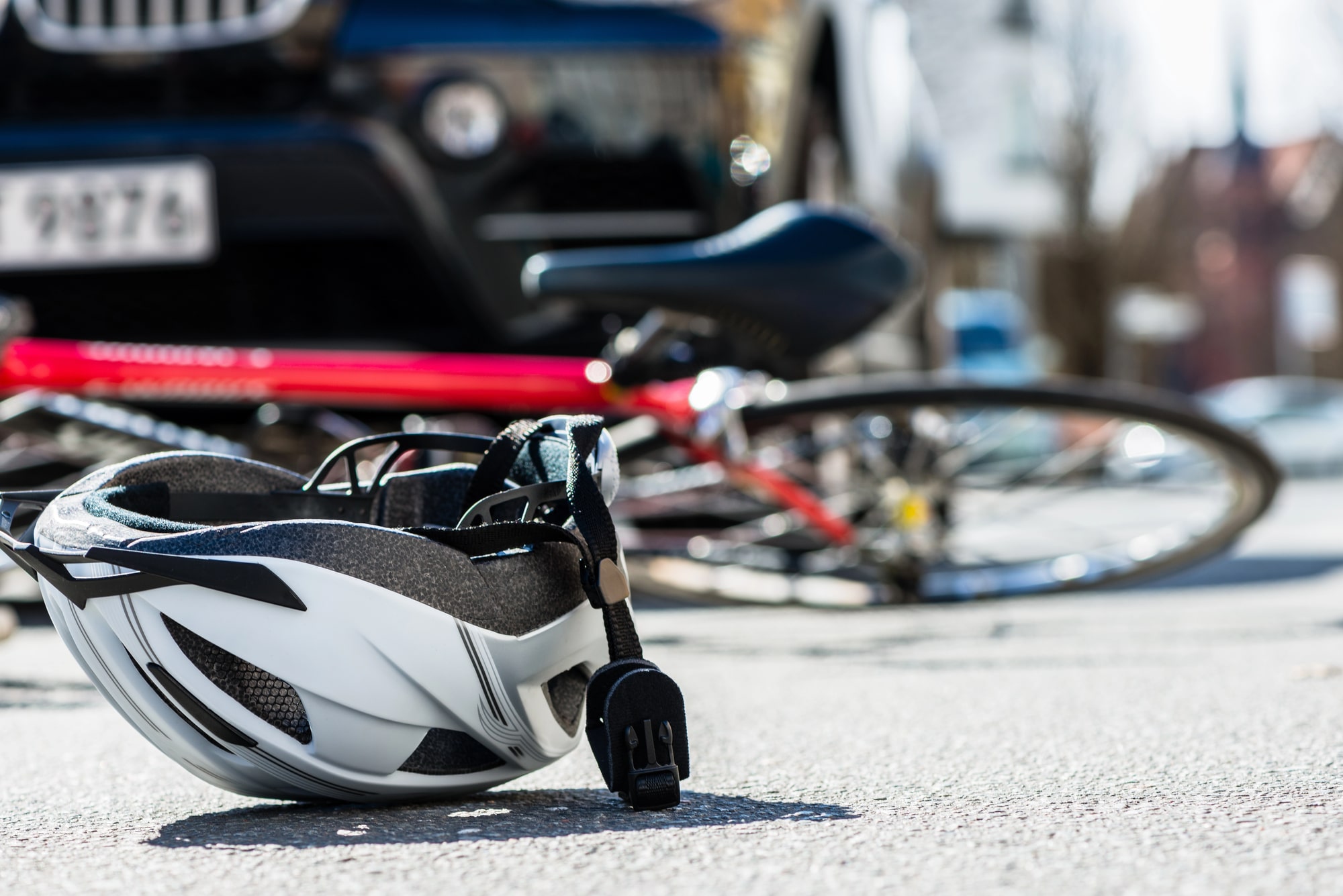
You hit a pothole on your bike, and suddenly you’re on the pavement with a broken collarbone. Or maybe a drainage grate grabbed your front wheel and threw you into traffic. These accidents happen all the time, and they’re often preventable. So can you sue? The short answer is yes, but it’s complicated. The rules for holding governments accountable are different from typical injury cases, and the timeline is much tighter.
Understanding Government Liability For Road Defects
Here’s what makes these cases tricky. Most streets and bike paths belong to some government entity. That could be your city, the parish, or a state agency. Louisiana law does allow claims against these entities, but they don’t play by the same rules as regular defendants.
Government bodies have qualified immunity. That’s not the same as total immunity. It just means they’re not automatically liable every time someone gets hurt on their property. You’ve got to prove they either created the dangerous condition or knew about it and didn’t fix it within a reasonable timeframe.
Think of it this way. If a pothole appears overnight and you hit it the next morning, that’s probably not actionable. But if that same pothole has been there for three months and people have been complaining about it? That’s a different story.
What Counts As A Dangerous Road Condition
Not every crack or bump will support a claim. Courts want to see that the defect was serious enough that even a careful cyclist couldn’t avoid getting injured. We’re talking about conditions like:
- Deep potholes that catch your wheel and launch you forward
- Pavement edges that crumble completely under your bike’s weight
- Metal plates or utility covers that shift when you ride over them
- Debris like gravel, broken glass, or fallen branches that nobody’s cleared
- Drainage grates with slots that run parallel to traffic and swallow tires
- Sudden drops where the road surface ends and the bike lane begins
Minor surface problems won’t cut it. But a six-inch-deep pothole? A grate that traps your front wheel? Those absolutely qualify.
Proving The Government Knew Or Should Have Known
This is where most claims succeed or fail. We need to demonstrate that the responsible agency had notice of the problem. There are two types. Actual notice is straightforward. Someone reported the hazard. Maybe a resident called it in to Public Works. Maybe multiple people filed 311 complaints. Those documented reports prove the government knew.
Constructive notice is harder. It means the defect existed long enough that inspectors should’ve found it during routine checks. We might dig up weather records showing when the damage likely occurred. Sometimes Google Street View has dated photos that prove the pothole was there months ago. Local residents can testify they’d seen the hazard for weeks.
Time Limits Are Shorter For Government Claims
Regular personal injury claims in Louisiana give you one year from your accident date. That’s already tight. But claims against government entities? You’re often looking at 90 days or six months just to file a notice of claim, depending on which agency you’re suing. Miss that deadline and your case is done. It doesn’t matter how badly you were hurt or how obvious the road defect was.
At Kiefer & Kiefer, we don’t wait around. Preservation letters and formal notices go out immediately after we take a case. That protects your rights while the evidence is still available.
Gathering The Right Evidence
We photograph the hazard from every angle. We measure how deep it is, how wide it is, and exactly where it sits on the roadway. If the government repairs it right after your accident, those photos become the only proof that it ever existed.
Maintenance records are gold. We file public records requests to get inspection schedules, repair logs, and prior complaints about that specific location. When can we show that five different people reported the same pothole over three months, and nothing happened? That strengthens your position dramatically.
Weather data plays a role, too. Heavy rain or freeze-thaw cycles create defects. We get that. But they don’t excuse a government’s failure to inspect and fix problems within a reasonable time after they develop.
When Private Parties Share Responsibility
Construction companies sometimes leave debris in bike lanes. Property owners let trees and bushes grow out into the right-of-way, blocking visibility near dangerous road sections. Utility companies create hazards during repair work and don’t mark them properly.
Our Marrero bicycle accident lawyer team investigates every potential defendant. Multiple responsible parties can mean more insurance coverage. That improves your chances of full compensation.
What Compensation Covers
If we prove liability, you can recover damages for your medical bills, lost income, bicycle and gear replacement, and the pain you’ve endured because of your injuries. Future medical needs count too. That’s especially important if you’re dealing with ongoing problems like nerve damage or joint instability.
Cases involving road defects often result in serious injuries. As a cyclist, you don’t have the same protections as motorists. Head trauma, broken collarbones and shoulders, or major road rash are all on the table and can potentially be life-altering.
Taking Action After A Road Defect Crash
Start documenting at the scene if you’re physically able. Take photos of the hazard, your injuries, and your damaged bike. Get witness contact information. File a police report even if the responding officer acts like it’s no big deal. Don’t skip medical attention. Some injuries mask themselves initially. Delayed treatment creates gaps that insurance companies will absolutely use against you.
Government liability claims involve strict procedures and unforgiving deadlines. These aren’t the kind of mistakes you can fix later. Our Marrero bicycle accident lawyer team handles the legal requirements and preservation work while you focus on healing. Reach out to discuss what happened and we’ll walk through your options together.