





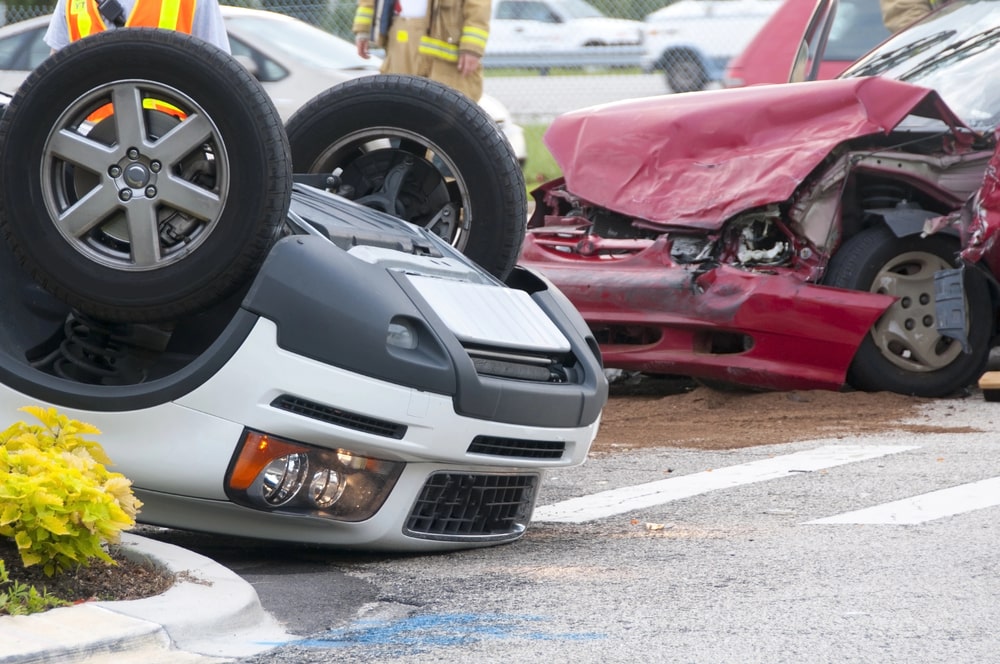
Multi-vehicle crashes on Interstate 10 are, unfortunately, a routine part of driving through Slidell. Earlier this month, Louisiana State Police and emergency personnel responded to another incident, this time involving several vehicles traveling eastbound near U.S. Route 190 and Shortcut Highway. Traffic came to a standstill for hours while crews worked to clear the roadway.
What Happened on I-10
According to Louisiana State Police, the crash occurred on the eastbound stretch of I-10 in St. Tammany Parish, an area that regularly sees backups from wrecks, storm-related closures, and heavy commuter traffic between Slidell and New Orleans. First responders urged drivers to adjust their routes and expect significant delays while the scene was cleared.
This wasn’t an isolated event. That same stretch of interstate, along with the Twin Span bridge over Lake Pontchartrain, has been the site of numerous multi-vehicle wrecks over the past two years, some involving fatalities. The corridor’s mix of high speeds, heavy truck traffic, and sudden weather changes creates conditions where one driver’s mistake can trigger a chain reaction involving several cars at once.
Why Multi-Vehicle Crashes Are So Complicated
Pileups involving three or more vehicles present challenges that a simple two-car accident doesn’t. Figuring out who caused the initial impact, and who is responsible for the vehicles that struck each other afterward, often requires careful reconstruction of the sequence of events.
Nationally, multi-vehicle collisions remain a significant share of traffic fatalities. In 2023, nearly 19,000 people were killed in multi-vehicle crashes across the country, according to data from the National Highway Traffic Safety Administration. That number reflects how quickly a single crash on a busy interstate can escalate into something far more serious.
A few factors that commonly contribute to chain-reaction crashes on I-10 include:
- Following too closely at highway speeds, leaving no room to react
- Sudden lane changes or braking triggered by an initial collision
- Reduced visibility from fog, rain, or glare
- Distracted driving, which delays a driver’s reaction to slowing traffic ahead
Any one of these can turn a minor fender bender into a multi-car pileup within seconds.
What to Do If You’re Involved
If you’re involved in a multi-vehicle crash on I-10 near Slidell, your priorities in the moment are safety and documentation. Move to a safe location if possible, call 911, and seek medical attention even if injuries seem minor. Adrenaline can mask pain from whiplash, internal injuries, or concussions for hours or even days.
Once you’re safe, try to gather information from every vehicle involved, not just the driver you believe hit you directly. Photos of vehicle positions, skid marks, and road conditions can matter a great deal later, since police reports don’t always capture every detail needed to establish fault among multiple drivers.
Determining Fault in a Chain-Reaction Crash
Louisiana follows a modified comparative fault system, meaning more than one driver can be held responsible for a single crash, though an injured person who is found 51% or more at fault is barred from recovering damages, per Louisiana Civil Code Article 2323. In a multi-vehicle wreck, this often means insurance companies for several drivers are involved, each trying to minimize their client’s share of the blame.
That’s precisely the kind of situation where having a Slidell, LA car accident lawyer review the police report, witness statements, and physical evidence on your behalf makes a real difference. Sorting out liability among multiple vehicles isn’t something most people are equipped to handle while they’re also recovering from an injury.
If you were hurt in the recent I-10 crash, or in any multi-vehicle accident in the Slidell area, it’s worth having your case reviewed by a dedicated car accident lawyer. The team at Kiefer & Kiefer can help you sort through what happened, identify who bears responsibility, and pursue the compensation you’re owed for your injuries and losses.